Explore All Research Summaries:
The Sensory Impacts of Trauma
& How Treatment Helps


Do brain scans show differences in areas related to balance and movement in people with classic PTSD versus the dissociative subtype of PTSD?
How do brain changes after trauma affect how people with PTSD sense their bodies and the world?


Sensory Processing: The Rubber Hand Illusion
How do people with PTSD and dissociation respond to this illusion?
The Brain-Body Disconnect: How does the brain's sensory processing contribute to trauma symptoms? And how can treatments that use sensory processing help?
Why is reliving traumatic memories different from recalling memories of ordinary life events?

Why Traumatic Memories Remain Vivid:
How are connections across brain levels different in people with Classic PTSD, people with the Dissociative Subtype of PTSD, and those who have experienced a traumatic event but did not develop PTSD?

What is peripersonal space, and how does PTSD impact one's sense of peripersonal space?
Explore All Research Summaries: The Sensory Impacts of Trauma & How Treatment Helps
Do brain scans show differences in areas related to balance and movement in people with classic PTSD versus the dissociative subtype of PTSD?
Key Points:
-
People with the dissociative subtype of PTSD showed fewer brain connections in areas that support balance and sensing where the body is in space (the vestibular system).
-
These differences may help explain problems with balance, sensory overload, and feeling separate from the environment in the dissociative subtype.
-
People with non-dissociative PTSD showed patterns suggesting reduced body and environmental awareness, which may contribute to hypervigilance and constantly scanning for danger.
The Basics: How do balance and physical coordination differ in people with PTSD?
Over the years working with clients with PTSD and study participants, we became intrigued by the fact that a number of people referred to themselves as clumsy or uncoordinated. We asked ourselves, why would this be a common experience in this population?
We know that a sense of balance and coordination requires continuous input from our bodies to help guide our responses to our physical surroundings. And we know that this input comes from both external information (e.g., gathered through vision, touch), and internal body signals (e.g., from the inner ear, joints, and muscles). For example, through touch, our body might help us determine if our feet are in contact with the ground and if the ground is level, and through information sent from our joints, we might be able to tell if we’re standing on a hill, or if we’re in a seated position.
Unfortunately, such input can be disrupted by a number of things, including chronic stress (such as the stress that might lead to PTSD). These disruptions often involve changes in the signals coming from the body (e.g., inner ear/balance problems), as well as changes in one’s self-awareness of the body (e.g., feeling disconnected from our hands or feet). We conducted studies to begin an investigation into gait (i.e., how a person walks) and balance, and how they might be impacted by both the dissociative and non-dissociative subtypes of PTSD.

Summary of the research:
In a quest to better understand the difficulties our participants often report in terms of balance and coordination, we wanted to begin investigating any vestibular system differences between people with the dissociative versus the non-dissociative subtypes of PTSD. The vestibular system is a complex network of brain structures and senses that helps us know where we are in space, maintain balance, and move through the environment. Research shows that PTSD often involves changes to some of these same brain structures and functions, for example, those involved in sensations and body-awareness. Knowing these structures are also part of the vestibular system, it makes sense that some of these changes could have an impact on balance and coordination too.
To begin investigating this, we designed a “resting state” fMRI (functional magnetic resonance imaging) brain scan study, comparing three groups of participants - those with the dissociative subtype of PTSD, those with the non-dissociative subtype, and those with no history of mental health diagnoses (i.e., our “control” group). “Resting state” brain scans involve participants lying in an fMRI scanner while letting their minds wander naturally, not focusing on anything in particular, as the scanner takes images of how the brain is working.
As predicted, we found differences in brain connections when comparing our three groups of participants, and found that these differences corresponded to the severity and type of PTSD symptoms. For example, those with the dissociative subtype of PTSD showed fewer connections to areas of the brain important for vestibular function. This difference might contribute to experiencing vestibular problems like poor balance, problems interpreting sensory information coming from multiple sources (e.g., coordinating information from vision, touch, and sound), and difficulty feeling separate from the environment.
Differences seen in the non-dissociative PTSD group suggest they tend to have less body awareness and less awareness of the environment, which may help explain this group’s tendency for hypervigilance. Since awareness of the environment doesn’t come as easily for them, they feel the need to be on the lookout for danger.
Overall, this study helps us understand the link between changes in sensory experiences typical of PTSD, awareness of one’s body and environment, and how altered awareness might contribute to changes in brain activity. Further research into this area will be necessary to better understand PTSD, and to find the most effective treatments.
You can read the full research article here.
Harricharan S, Nicholson AA, Densmore M, Théberge J, McKinnon MC, Neufeld RWJ, & Lanius RA. (2017). Sensory overload and imbalance: Resting-state vestibular connectivity in PTSD and its dissociative subtype. Neuropsychologia, 106, 169–178. http://dx.doi.org/10.1016/j.neuropsychologia.2017.09.010
How do brain changes after trauma affect how people with PTSD sense their bodies and the world?
Key Points:
1. PTSD may alter sensory processing, leading to heightened sensitivity or numbness.
2. Sensory changes may affect emotion regulation, behaviour, and social functioning.
3. The insula may help connect sensory processing with higher-level brain functions.
In this paper, we review brain changes that could help explain differences in how people with PTSD sense their bodies and the world around them. Sensory information comes from both the outside world (e.g., touch, sound, vision), and from inside the body (e.g., sensations from the gut - like nausea, hunger, and physical sensations that are part of emotion). Being able to process both types of sensory information helps us respond appropriately to the situation we’re in.
In this paper, we review certain theories, including one about sensory sensitivity – how some people may be more sensitive to sensory input than others (e.g., sensitive to sounds and smells). Interestingly, trauma may play a role in this change in sensitivity, for example, causing someone to feel extra alert to sounds/potential danger; or, in the other direction, causing someone to feel numb/shut off.
We also review how brain areas affected by PTSD might overlap with brain areas that process sensory information, perhaps explaining such sensory changes. Further, we suggest these changes may, in turn, affect more complex brain functions (e.g., emotion regulation, certain social skills, working toward a goal). Since brain/sensory changes may alter a person’s perception of their bodies and the world, it makes sense that that this could impact both their ability to regulate their emotions, and their behaviour. An example of this might be when someone feels afraid and takes cover after hearing a loud noise, even though they know it was just fireworks – their brain has sensed danger, and they’ve reacted accordingly.
Further, we describe how a particular brain area, called the insula, seems to play an important role in connecting basic sensory information to complex brain functions. One of our conclusions is that finding treatments to help repair connections to the insula may be helpful in reducing the emotional impact of PTSD. In closing, we emphasize the importance of understanding the impact of trauma on the lower-level brain functions involved in sensory processing when treating PTSD.

You can read the full research article here.
Harricharan S, McKinnon MC & Lanius RA. (2021). How Processing of Sensory Information From the Internal and External Worlds Shape the Perception and Engagement with the World in the Aftermath of Trauma: Implications for PTSD. Front. Neurosci. 15:625490. doi: 10.3389/fnins.2021.625490
Sensory Processing: The Rubber Hand Illusion
The rubber hand illusion (RHI) is a procedure in which the average person can start “feeling” as if a rubber hand has become part of their own body. This illusion involves a participant resting both forearms on a table in front of them, with one arm a little more off to the side. The arm off to the side is then blocked from the person’s view using a box or divider. In place of where their arm would naturally sit on the table directly in front of them, a rubber forearm is placed. Then, to hide where the rubber arm would connect, if it were real, with the rest of their body, a sheet is draped over the person’s shoulders, hiding the connection location (see illustration). Using this setup, the RHI continues with the experimenter brushing the fingers on both the rubber hand and the real, hidden hand (both at the same time) with a soft paintbrush. With the combination of seeing the rubber hand being brushed, and feeling their real hand being brushed, people often start “feeling” as if the rubber hand is their real hand.
In the past, the RHI has been used to investigate changes in how someone connects with, or feels ownership over, their own body. It had never been studied in participants with trauma-related disorders, such as PTSD. Below, you can read about our early investigations using the RHI in people with trauma-related disorders.

Does the Rubber Hand Illusion have the same effects in people with the dissociative subtype of PTSD?
Knowing that early traumatic experiences seem to play a key role in the development of dissociative symptoms (e.g., feeling disconnected from oneself, or one’s surroundings seeming “off”), we wondered how people with PTSD that stems from early childhood trauma would respond to the Rubber Hand Illusion (RHI – see description, above).
To begin investigating, we recruited 3 participants diagnosed with the dissociative subtype of PTSD. With each of them, we completed the RHI while recording their behaviour, and certain physical reactions (e.g., heart rate, sweat gland activity). We also asked our participants to complete questionnaires about their experiences with this illusion. To the standard RHI procedure, we included one slight variation - we either brushed the real and rubber hands at the same time (creating that paired experience of seeing and feeling the brushing), or we brushed the rubber hand, then the real hand (i.e., not together, but one after the other). This second approach resulted in our participants’ senses not being in sync – they’d first see the brushing, then feel it a few seconds later. We wondered how these two approaches might impact the RHI in our participants.
As is typical, the rubber hand felt most real to our participants when the brushing of the real and rubber hands took place at the same time. However, we observed strong effects even with alternate hand-brushing (i.e., brushing the rubber hand then the real hand). What’s interesting, is that this is not typically seen in the healthy population. For each participant, both types of brushing caused some distress (e.g., anxiety, unease), derealization (i.e., “I’m having trouble figuring our what’s real and what’s not), and depersonalization (e.g., “I can’t tell whether it’s my hand or someone else’s”, “I can’t tell which hand is which”).

In two participants, the illusion of the rubber hand feeling real led to some freezing/feeling unable to move, as well as traumatic flashbacks. Interestingly, just the sight of the rubber hand was enough to cause some of these effects. In terms of their physical reactions, our participants showed an increase in sympathetic nervous system activity (i.e., the part of the nervous system that helps with the fight/flight response), and a decrease in parasympathetic activity (i.e., the part that helps us relax, “rest & digest”), which echoed their other responses.
These results suggest that the way in which the RHI works may be much more complex in traumatized people than in healthy participants. Further, these results support the idea that the mind-body connection is more easily disrupted in the traumatized population. These preliminary results suggest that the Rubber Hand Illusion could be a promising way to learn more about depersonalization and derealization.
You can read the full research article here.
How does trauma change how we experience our own body?
Further research on the rubber hand illusion
In this follow-up study, we continued our exploration of the Rubber Hand Illusion (RHI) in people with PTSD. The RHI is an illusion or effect that seems to impact the broad majority of people, in which a rubber hand can be made to “feel” like it is their own (see the beginning of this section for a fuller description of the RHI). We know that traumatic experiences can lead to the development of dissociation. This is often the only way a person can “escape” the trauma - to mentally disconnect from the body and/or surroundings.
In this study, we measured the strength of the rubber hand illusion through questioning our participants’ personal experiences during the activity, as well as by noting our own observations and objective measurements. We also looked at our participants’ sense of “agency”, i.e., the sense of control or ownership they felt over their own body and actions during the activity. For this study, we compared 3 groups of participants: those with the classic form of PTSD, those with the dissociative subtype of PTSD, and those with no mental health diagnoses at all (our “control group”).
Firstly, we found that the illusion was stronger when our participants’ hands were brushed at the same time as the rubber hand (rather than alternating one, then the other) – pairing the sight with the sensation to trick the brain into thinking the rubber hand was theirs. Interestingly, we found that the illusion was weaker for participants with classic PTSD than for the control group – i.e., people with classic PTSD were less likely to feel that the rubber hand was theirs. This suggested that the brains of people with classic PTSD may filter out sensory information that could be triggering in order to remain in control of their own body (seemingly, part of their avoidance symptoms). In this way, their brains may not take in certain experiences or details from their environment.
On the other hand, participants with the dissociative subtype of PTSD experienced a wide range of the illusion’s effect – from very strong to very weak – with a tendency to doubt their senses (e.g., “Am I really feeling that?”). This wide range suggested that while some people’s brains were filtering out sensory information (like those in the classic PTSD group), others were strongly affected, even overwhelmed, by the sensory information which lead to dissociation. Reactions in this case included feelings of detachment from their own hand, and/or a “freeze” response, in which they could not move part of their body. In regard to the sense of agency, understandably, participants with either type of PTSD felt less agency/control over their bodies when the rubber hand illusion was strong (i.e., when they felt the rubber hand was theirs, e.g.).
These findings improve our understanding of how trauma affects our senses and the perception of body ownership, in particular, how basic brain functions, like sensations, can be affected by more complex brain areas.
You can read the full study here.
The Brain-Body Disconnect:
How does the brain's processing of sensory information contribute to trauma-related symptoms? And how can treatments that incorporate sensory processing help?
Key Points:
1. Trauma changes how the brain processes sensory information, not just emotions. Trauma can disrupt how the brainstem integrates signals from the body and the environment, making it harder for the brain to accurately distinguish safety from danger. This may contribute to hypervigilance, emotional overwhelm, or dissociation.
2. The vestibular and somatosensory systems play a central role in regulating arousal, body awareness, and the sense of self. These sensory systems help the brain integrate information about the body and the environment to support emotional regulation, agency, and self-awareness. Disruptions to these systems following trauma may contribute to altered body awareness, attachment difficulties, and dissociation.
3. Somatic sensory processing may be a key therapeutic target in PTSD. This paper proposes that integrating body-based sensory awareness into trauma treatment may complement cognitive approaches by helping restore mind-body integration, improve regulation of nervous system arousal, and support more complete trauma processing.
Overview:
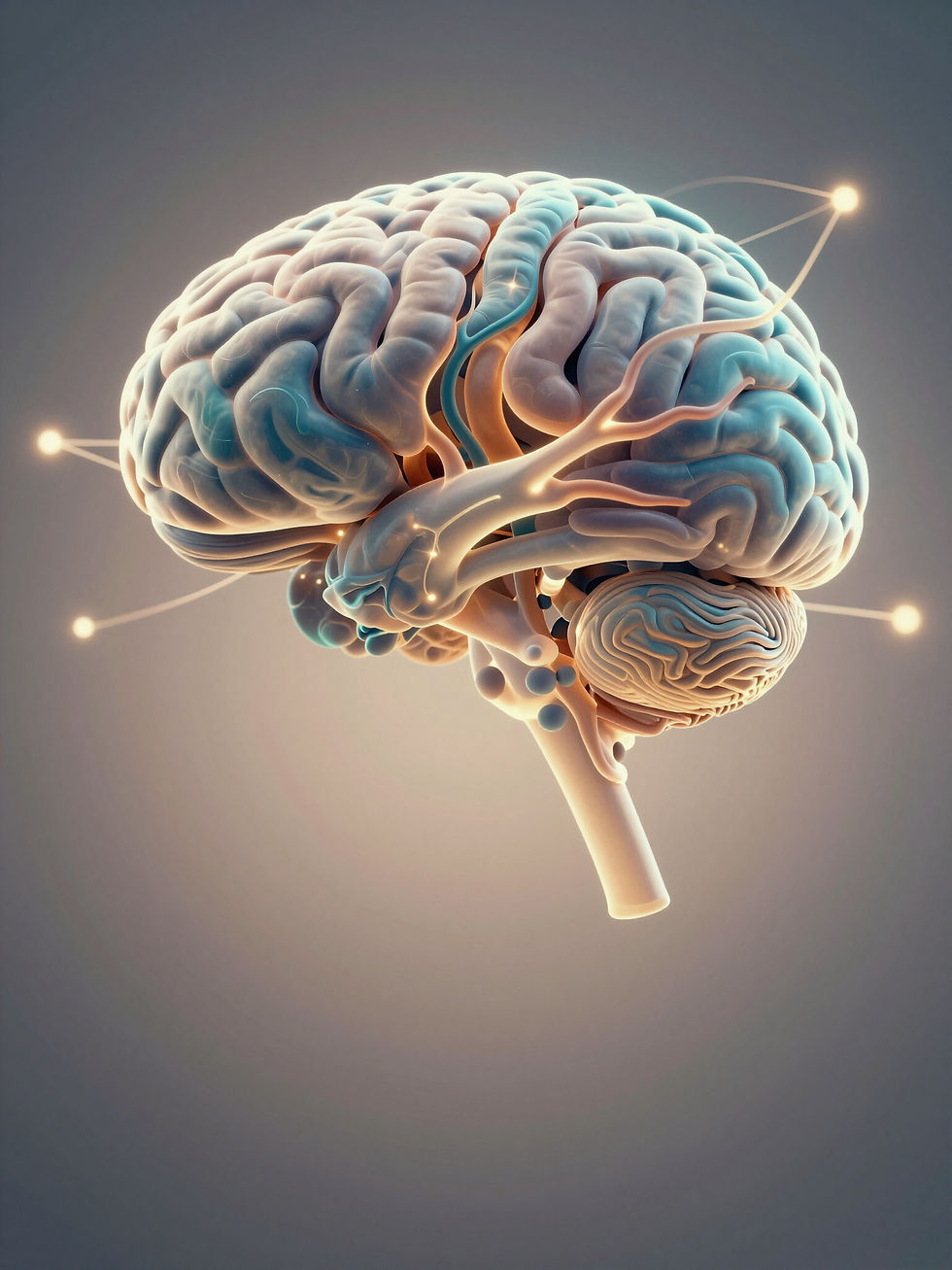
The overall goal of this paper is to offer a neuroscience-informed perspective of how somatic (body-based) sensory processing plays a crucial role in how the brain processes trauma and contributes to trauma-related symptoms. We propose that trauma-related symptoms are a result of brainstem-level dysfunction of somatic sensory processing. This dysfunction has cascading effects that lead to difficulty modulating one’s alertness levels, emotions and cognitive functions after trauma. We then offer a rationale of how integrating somatic sensory processing into therapy could improve therapy outcomes.
First, we provide an overview of the vestibular and somatic sensory systems.
The vestibular system is composed of parts of the inner ear that inform us about how our head is moving in 3D space. The vestibular system is always working subconsciously until we unexpectedly trip or speed up, which causes the body to react with nervous system arousal. Anyone who has lost their balance knows that feeling - a quickened heart rate, dropping sensation in your gut, and gasping. This response helps keep us physically safe. Therefore, vestibular processing is closely connected with a sense of security, grounding, and safety.
Even more, the vestibular system also contributes to body awareness, spatial processing/memory, arousal modulation, first-person perspective, and social cognition, which are all important to consider in trauma. Interestingly, vestibular input has also been shown to help quiet peoples’ minds, enhance body awareness, contribute to emotional regulation, affect nervous system arousal, social cognition, and maintain a coherent sense of one’s body. The vestibular system plays a role in controlling how we process information that we take in from our environment. The vestibular system may be faulty in PTSD, which could contribute to people with PTSD being hypersensitive or hyposensitive to stimuli in their environments, and could also result in people feeling disconnected from their bodies, which is common when people experience dissociation.
The somatosensory system consists of the skin, muscles, and joints, which detect light touch, deep pressure, pain, temperature, and proprioceptive input (our sense of body awareness). The somatosensory system provides awareness of both signals coming from the environment and signals coming from inside one’s body. Therefore, this system is important in how people with PTSD might lack awareness or be hypervigilant of sensations in their body and their surroundings.
How do early attachment experiences affect sensory processing?
People are born with a desire to seek closeness and care from an attachment figure to meet the child’s emotional and physical needs. This is the attachment system, and when people develop secure attachment, it provides them with a sense of security, safety and acceptance. Children who experience trauma, abuse or have emotionally absent parents often do not develop secure attachment patterns. In a secure attachment relationship, an infant is supported by an attuned caregiver through somatic sensory experiences such as rocking, swaddling and bodily contact. This shows that somatic sensory experiences are important for people to develop secure attachment as children and the ability to self-soothe and feel calm. It is suggested that when people develop insecure attachment as children, it could result in them having dissociative responses in adulthood.
So how does the brain process this sensory information?
Lower levels of the brain, such as the brainstem and specifically, part of the brainstem called the midbrain, integrate sensory information from inside our bodies and from our environments. Specifically, the periaqueductal gray (PAG) area in the midbrain relays sensory information to the rest of the brain and integrates sensory information with the context and emotional charge of the situation, such as if someone feels fear at the same time. This brain area then coordinates whether your brain perceives that the environment or another person is safe or threatening. Therefore, vestibular and somatosensory information from our body and our environment help our brain determine whether we are safe or in danger. People with classic PTSD and the dissociative subtype of PTSD show differences in the PAG region of their brain on brain scans. The ability to register sensory information and integrate it with information about whether it is safe or dangerous is crucial for regulating nervous system hypervigilance, muscle tone, and posture, all of which are altered in people who have experienced trauma.
What happens to these systems as a result of trauma?
When we experience a traumatic event, it not only creates an emotional experience, but it’s also an assault on the senses that reaches lower parts of the brain, like the brainstem. When there is a lot of incoming sensory information during trauma, the brainstem interacts with information about the experience in the PAG to create an overwhelming, aversive experience. After trauma, one’s brainstem can remain “hyperactivated”, which can lead to prolonged disruptions where one “feels too much”. This is common in people with classic PTSD, where they struggle to regulate their emotions, resulting in aggression, emotional/physical overwhelm, and being easily startled. These changes in the brainstem can also contribute to one feeling detached from their body’s sensations and emotions, as is the case in people with the dissociative subtype of PTSD. Interestingly, when people have a history of secure attachment, these parts of the brain have better connections and this protects against long-term impacts of a traumatic event.
What are the clinical implications? How can we use this understanding to help people?
In this paper, we provide a model of how somatosensory information is received in the brain, through the PAG, where it is then integrated with other information, and this information travels to other parts of the brain involved in reflection and autobiographical memory. This process ultimately provides people with a sense of self and helps people feel a sense of control and agency. Input from the somatosensory system is even important for infants to develop a sense of self and a sense of agency over their bodies. When this process is disrupted in people with a history of trauma, it can lead to dissociation and feeling disconnected from one’s body.
Therefore, since from a neuroscience perspective, somatosensory input directly impacts nervous system arousal and gives rise to a sense of self, somatosensory awareness can be used during therapy to improve outcomes. The most common treatment for PTSD is cognitive behavioural therapy, but some studies have reported that it has lower than 50% efficacy in PTSD patients, and it can be less beneficial during states of stress or dissociation. There is a big difference between knowing that you’re safe on a cognitive level and actually feeling safe in your body. Therapies that involve reconnecting with a felt sense of safe sensations and movement in the body could be combined with cognitive behavioural therapies. Using somatic sensory awareness could help restore one’s mind-body connection and help people more fully process their trauma and feel alive again.
You can read the full research article here.
Kearney BE, Lanius RA (2022). The brain-body disconnect: A somatic sensory basis for trauma-related disorders. Front Neurosci. 2022 Nov 21;16:1015749. doi: 10.3389/fnins.2022.1015749. PMID: 36478879; PMCID: PMC9720153.
Why is reliving traumatic memories different from recalling memories of ordinary life events?
Have you ever wondered why memories of traumatic experiences seem to be so vivid, immersive, and body-based – so different from everyday memories? This paper that we wrote, published in Nature Mental Health, examines how traumatic memories differ from ordinary autobiographical memories in terms of how they’re recalled, the emotional impact, and how the memories are stored in the brain. These findings highlight why sensory-based, somatic approaches to trauma treatment could help process trauma on a deeper level, and underscore the urgency of addressing trauma in new ways in both the legal system and therapy.
What Makes Traumatic Memory Different?
We make an important distinction between autobiographical memories and traumatic memories.
Autobiographical memories are recalled voluntarily and allow you to feel like you’re still in the present moment with a flexible recollection of past events, like you’re telling a story of what happened.
In comparison, traumatic memories often emerge involuntarily, driven by low-level sensory input, and are experienced as intense sensory fragments – sounds, smells, movements, images or sensations. Unlike ordinary memories, they are past-centered and tend to be rigid, without a story-like structure or a clear sense of time. Traumatic memories are not simply recollections of past events. Rather, these fragmented re-experiences are accompanied by visceral sensations, and can manifest as flashbacks or dissociative episodes, overwhelming the individual as if the trauma is happening in the present.
This leads to our key hypothesis: that traumatic memories activate different neurobiological pathways, particularly involving the sensorimotor system and lower-level brain areas. Since traumatic memories engage the brain’s sensorimotor system, this causes the person to relive the event with sensory detail rather than as a cognitive, verbalized recollection.

What Key Brain Networks are Involved in Traumatic Memory?
1. Sensorimotor Network (SMN): “Here and Now” Body Memory
-
The SMN processes real-time sensory and motor experiences – like touch, movement, and posture.
-
In traumatic memory, these circuits become disrupted, locking the brain and body into a defensive state.
-
When trauma is not fully processed, incoming sensory cues (like a sound or facial expression) can re-trigger this network, replaying the body’s original reactions as if the threat is happening again.
-
Without proper feedback from the environment (like safe present-day cues), these memories don’t get updated, remaining frozen in time.
2. Posterior Default Mode Network (DMN): “Emotional Time Travel”
-
The posterior DMN helps us reflect on the past and integrate it into our sense of self.
-
In PTSD, this network becomes hyperconnected to sensorimotor and alarm systems (like the amygdala, insula, and brainstem).
-
Instead of supporting safe self-reflection, it fuels vivid emotional reliving - with the past overtaking the present.
The Model That We Propose
We provide a model that demonstrates how traumatic memories are stored differently in the brains of people with PTSD. Combining multiple findings from our previous research, discussed in other summaries on this website, we explain how traumatic memories are processed and stored differently after trauma due to changes in function or connectivity in various areas of the brain. This includes the lower parts of the brain such as the superior colliculi (responsible for eye movements), peri-aqueductal gray (PAG) (which is involved in encoding fear-based memories and responding to threats), and increased connectivity between the PAG and default mode network (DMN), and also includes changes in connections involving the sensorimotor network, visual cortex, and insula. We suggest that these parts of the brain interact and thereby alter the integration of sensorimotor information and contribute to the re-experiencing of traumatic memories in PTSD.
Implications for Legal Systems
We highlight the need for legal systems to recognize the distinct nature of traumatic memory. Current practices in legal interrogation often rely on detailed verbal accounts of past events, which may not be suitable for individuals with trauma. Since traumatic memories are often fragmented and sensory-based, rather than cohesive narratives that someone could verbalize, asking trauma survivors to recall precise details of an event can be inappropriate, ineffective to recall or express a memory, and even re-traumatizing.
Implications for Therapy & Treatment
Understanding how the brain stores traumatic memories may explain why certain first-line PTSD treatments, like talk therapy, can be ineffective for up to 50% of individuals. These common therapies often rely on verbal processing of memories. However, these therapies often don’t target the sensorimotor system - yet this is where many trauma memories are stored. With this knowledge, we need treatments that address the neurobiology of trauma, targeting the fragmented and sensory nature of traumatic memory.
The findings have major implications for how clinicians approach trauma therapy. Because traumatic memories are deeply rooted in sensory and motor experiences, it is important to complement verbal therapies by incorporating therapies that focus on integrating sensory and motor processes.
Interventions may be more effective when they incorporate the sensorimotor system using:
-
Safe physical movements and sensory experiences that contradict traumatic cues
-
Real-time feedback from the body’s environment to “update” the memory
-
Sensorimotor-based therapies – such as:
1. Deep Brain Reorienting (DBR)™
-
Targets brainstem-based orienting responses involved in the initial impact of trauma, including shock
-
You can read more about DBR, including the first-ever randomized controlled trial that we conducted on DBR, on our website here.
2. Sensorimotor arousal regulation treatment (SMART)
-
SMART is an embodied treatment approach that promotes the connection between mind, brain, and body via the person’s sensory-motor engagement of the body
-
SMART aims to intervene at the level of intrinsic brain networks that are impacted by trauma, and addresses the three levels of sensory systems that we refer to as "inputs": tactile, proprioceptive, and vestibular
-
You can read more about SMART on our Current Research Studies in Progress page
3. Somatic Experiencing®
-
Based on tracking bodily sensations to complete survival responses.
-
Helps resolve stuck defensive responses and reconnect to present-moment safety.
4. Sensorimotor Psychotherapy
-
A body-oriented (somatic) therapy that blends cognitive and emotional approaches with physical interventions and movements to directly address the implicit memories and neurobiological effects of trauma.
-
It uses bodily experience as the primary entry point, rather than the cognitive “story”.
-
Focuses on how the body is processing information – and how this affects emotions and the meaning that we make of the traumatic experience
-
It helps people complete survival responses that could not occur at the time of trauma
5. Eye Movement Desensitization and Reprocessing (EMDR)
-
Recognized as a modality that can incorporate sensory processing and support trauma resolution.
6. Multimodal Motion-Assisted Memory Desensitization and Reprocessing
-
A newer integrative approach involving movement-based memory processing.
7. Sensory-Based Expressive Arts Therapy
-
Engages creative, body-informed modalities for processing trauma nonverbally.
8. Neurofeedback
-
Especially alpha rhythm EEG neurofeedback, which is a promising approach to restore DMN connectivity and improve PTSD symptoms.
9. Repetitive Transcranial Magnetic Stimulation (rTMS)
-
Specifically targeting sensorimotor and DMN circuits to support memory updating and regulation.
Re-contextualizing traumatic memory through these body-based awareness approaches can help rewire the brain and allow the past to become past.
Ultimately, these findings can help guide neuroscientifically informed trauma treatments. We can combine therapy with neuroscience. Integrating talk therapies with somatic, body-based therapies has the power to deepen trauma healing. This understanding can help inform new therapeutic approaches and support further development of trauma-informed care. By engaging these sensorimotor areas of the brain in therapy, we can help transform fragmented, relived experiences into integrated memories to improve recovery after trauma.
You can read the full research article here.
Kearney, B.E., Lanius, R.A. Why reliving is not remembering and the unique neurobiological representation of traumatic memory. Nature Mental Health 2, 1142–1151 (2024). https://doi.org/10.1038/s44220-024-00324-z
How are connections across brain levels different in people with Classic PTSD, people with the Dissociative Subtype of PTSD, and those who have experienced a traumatic event but did not develop PTSD?
Why Traumatic Memories Remain Vivid:
How are connections across brain levels different in people with Classic PTSD, people with the Dissociative Subtype of PTSD, and those who have experienced a traumatic event but did not develop PTSD?
Key Points:
1. First whole-brain study of traumatic memory recall: This Nature Mental Health study is the first to examine how connections across the entire brain change while people with PTSD recall traumatic memories, rather than focusing on individual brain regions.
2. PTSD disrupts communication across the brain: During traumatic memory recall, people with PTSD showed weaker communication between brain regions involved in thinking, emotion, movement, and prediction, while the cerebellum became more isolated from the rest of the brain.
3. Findings help explain why traumatic memories feel present: Disrupted brain communication may make it harder to recognize that a traumatic memory is in the past, contributing to the feeling that it is happening in the present. These findings support therapies that strengthen body awareness and sensory processing to help restore healthy brain function.
The research study:
Recent research suggests that PTSD, and the traumatic memories that come with it, affects the brain in broader ways than once thought. It appears to impact both the cooperation between different areas of the brain, and how individual brain areas function. With this broad impact in mind, this study that we published in Nature Mental Health is interesting because it seems to be the first one to look at connections within the entire brain while people recall traumatic memories, rather than focusing on individual areas and connections.
What we did in this study:
In this study, we compared people with PTSD - both the standard and dissociative types of PTSD - to people who had experienced traumatic events but did not develop PTSD (our comparison or “control” group). In our diagrams, below, these groups are referred to as PTSD (“standard” PTSD) and PTSD+DS (dissociative type). All participants were asked to identify a neutral memory and a traumatic memory that they would recall during an fMRI brain scan. More specifically, these traumatic memories involved a “moral injury” during which the participants needed to act against their own code of ethics, or witnessed someone else doing so (see more about this type of trauma in our section on Moral Injury, here).
While remembering these 2 events, we used an fMRI scanner to see how our participants’ brains were working so we could compare the 2 groups (those with PTSD vs. no PTSD), and to compare how their brains processed the 2 different types of memories (neutral vs. traumatic).
The interesting results:
This study revealed some interesting things! In comparison to the control group, while viewing their trauma words/recalling traumatic memories, people with both types of PTSD had weaker connections (i.e., “hypoconnectivity”) between brain regions that help coordinate thinking, emotions, and physical responses. Specifically, these weaker connections were between the cerebral cortex (the outer layer of the brain responsible for higher-level functions, like thinking and planning) and the cerebellum (an area that seems to help us predict what might happen in our environment – in part, so we can avoid danger, also involved in emotion and memory processing). There were also weaker connections between the basal ganglia (used in body movement) and the cerebellum.
Further, within the cerebellum itself, there were more connections (i.e., “hyperconnectivity”) during traumatic memories, but not during neutral memories. This acted to almost segregate the cerebellum so that it was working on its own, rather than using important information from other areas of the brain (e.g., areas that might help the person understand that this is an old memory rather than something happening in the present).
Additionally, the dissociative type of PTSD (vs. the “standard” PTSD) had weaker connections between the occipital areas (used for vision), the thalamus (which is like a relay station for all the information coming into our brain), and the basal ganglia. In this group, there were also more connections between the brainstem and the cerebellum during traumatic memories.
These findings suggest that, during the recall of traumatic memories, normal communication between deeper brain areas and the outer “thinking” parts of the brain is disrupted. The cerebellum - which usually helps the brain predict and process information - might not be working in an ideal way.
In this same group, there were further breakdowns in communication between brain areas responsible for vision, and body awareness, which may help explain feelings of disconnection during traumatic memories/reminders. If the brain is not connecting the sight of our surroundings with what our body feels, for example, that would be quite disorienting. Imagine trying to reach for a glass of water if you were not sure where your hand was!
Overall, this study suggests that PTSD may involve problems with how the brain predicts and processes one’s experiences. When recalling traumatic memories, the PTSD-impacted brain may rely more on basic survival responses (e.g., fight, flight, freeze) and less on the functions that help people notice the present and realize the memory is in the past. This could help explain why traumatic memories in PTSD often feel so real and overwhelming – these memories feel as if they are happening right now, in the present. These findings also suggest that therapies focusing on body awareness and sensory experiences might be helpful – perhaps helping to “rewire” some of these disrupted brain patterns.


You can read the full research article here.
Kearney BE, Densmore M, Théberge J, Jetly R, McKinnon MC, Shaw SB, Lanius RA. Reduced cerebello-thalamo-cortical functional connectivity during traumatic memory retrieval in PTSD. Nat. Mental Health (2025). https://doi.org/10.1038/s44220-025-00476-6